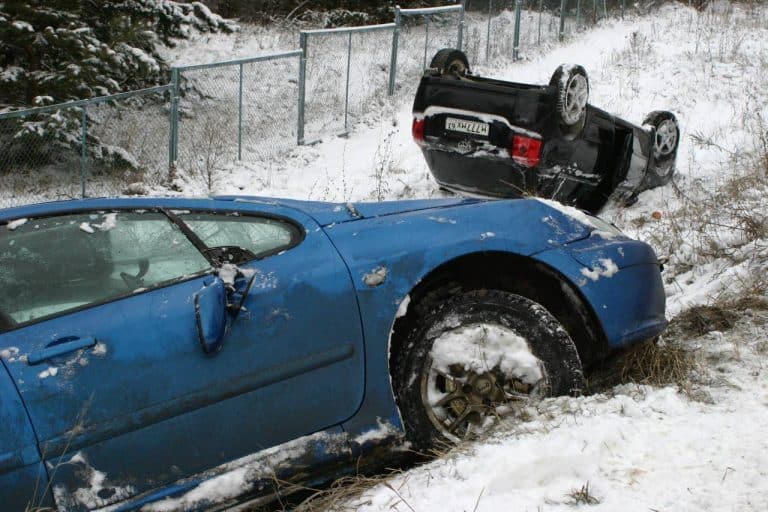
Rear-end collisions are a frequent and ongoing concern on Issaquah’s highways. The Washington State Department of Transportation identifies rear-end crashes as one of the most common incident types on state highways, often occurring when traffic slows suddenly due to congestion or an earlier accident ahead.
These collisions can happen in seconds, but the physical, financial, and legal consequences may last far longer. For drivers injured in these situations, understanding how highway accidents occur and how rear-end car accident claims are evaluated is an important first step.
This guide provides a locally focused overview of why rear-end collisions are common on Issaquah highways and how fault is evaluated. It also explains when it may be appropriate to speak with a car accident injury attorney.
Common Causes of Rear-End Highway Accidents

Several factors can contribute to rear-end collisions on Issaquah highways. Some causes occur more frequently than others, depending on traffic conditions and driver behavior.
Following Too Closely
Following too closely is one of the leading causes of rear-end collisions. When drivers do not maintain a safe following distance, sudden changes in traffic flow can result in an impact before there is time to brake safely.
Distracted Driving
Distracted driving is another frequent factor in highway rear-end accidents. Looking at a phone, adjusting navigation, or even brief inattention can prevent a driver from noticing slowing traffic ahead.
Sudden Braking in Congested Traffic
Sudden braking is common during rush hour conditions on Issaquah highways. A single abrupt stop can trigger a chain reaction that involves multiple vehicles, especially when traffic is tightly packed.
Speed and Reduced Reaction Time
Speed plays a significant role in rear-end crashes. Higher speeds reduce reaction time and increase the distance required to stop, raising the likelihood of collisions when traffic slows unexpectedly.
Weather-Related Factors
Weather adds another layer of risk on local highways. Rain is common in the Issaquah area, and wet roadways significantly increase stopping distance. The National Highway Traffic Safety Administration reports that approximately 21 percent of vehicle crashes nationwide are weather-related, with rain being a major contributor.
Injuries Commonly Associated with Rear-End Collisions
Rear-end collisions on busy highways can cause a wide range of injuries, even when vehicle damage appears moderate. The sudden force of impact places stress on the body, particularly when traffic is moving at highway speeds or stops unexpectedly.
Common injuries associated with rear-end highway accidents include:
- Whiplash and soft-tissue injuries
Whiplash is one of the most frequently reported injuries in rear-end crashes. It occurs when the head and neck are forced forward and backward rapidly, straining muscles, ligaments, and tendons.
- Neck, back, and spinal injuries
Rear-end collisions can compress or twist the spine, leading to disc injuries, nerve irritation, or ongoing neck and back pain. These injuries may require extended treatment or physical therapy.
- Head injuries and concussions
Even without direct head impact, the jolt of a rear-end crash can cause concussions or other traumatic brain injuries. Symptoms may include headaches, dizziness, memory issues, or sensitivity to light.
- Shoulder and upper body injuries
Seat belts and bracing during impact can strain the shoulders, chest, and upper back, sometimes resulting in reduced mobility or lingering discomfort.
One common challenge with rear-end car accident claims is that symptoms do not always appear immediately. Pain, stiffness, and neurological symptoms may develop hours or days after the collision. Seeking prompt medical evaluation helps document injuries early and supports a clearer connection between the accident and resulting medical needs.
Determining Fault in Rear-End Collisions

In many rear-end crashes, the driver who strikes the vehicle ahead is presumed to be at fault. This assumption is based on traffic laws that require drivers to maintain a safe following distance and remain alert to changing traffic conditions.
Fault, however, does not always automatically fall on the rear driver. Liability may be disputed in situations where the lead driver contributed to the collision, such as when the driver:
- Stopped suddenly without an apparent reason
- Had non-functioning brake lights
- Engaged in unsafe or unpredictable behavior
Multi-vehicle highway accidents can further complicate fault determinations.
Evidence plays a critical role in determining liability. Photos of vehicle damage, roadway conditions, and traffic flow can help establish how the crash occurred. Witness statements, police reports, and dashcam footage are often key in resolving disputed rear-end car accident claims.
Understanding Rear-End Car Accident Claims
Rear-end car accident claims are intended to address the financial and personal impact of injuries and losses caused by a collision. While every case is different, most claims follow a similar structure and focus on documenting how the accident affected the injured driver’s health, vehicle, and daily life.
A rear-end car accident claim may include:
- Medical treatment and related expenses
Medical records, diagnostic testing, and treatment notes help show the nature and extent of injuries. Ongoing medical expenses, physical therapy, and follow-up appointments may also be part of a claim.
- Vehicle damage and repair costs
Repair estimates, photographs, and invoices are used to document vehicle damage. In some cases, claims may also include towing costs or temporary transportation expenses.
- Lost wages and reduced earning capacity
If injuries prevent a driver from working, lost income may be recoverable. This can include missed workdays or limitations that affect future earning ability.
- Pain, discomfort, and daily limitations
Claims may account for how injuries interfere with everyday activities, mobility, or quality of life.
Insurance companies review these claims by examining medical documentation, property damage reports, and statements from those involved. They may question injury severity or treatment timelines, particularly in rear-end highway accidents where symptoms develop gradually.
Challenges With Highway Accident Claims
Highway accident claims often present additional hurdles for injured drivers. Multi-vehicle collisions can create conflicting accounts of speed, braking, and lane position. This can lead insurers to shift blame among those involved.
Disputes over speed or sudden stops are common in rear-end crashes on busy highways. Insurance carriers may also push back on soft-tissue injuries, arguing that pain or limited mobility should have resolved quickly.
Delays and denied claims are also not uncommon, particularly when liability is contested. These challenges can be frustrating for injured drivers who are trying to focus on recovery while navigating the claims process.

Steps to Take After a Rear-End Collision
What drivers do in the hours and days following a rear-end collision can affect both recovery and the outcome of a claim. Taking a few careful steps early on can help protect health and preserve important information.
Step 1: Seek Medical Evaluation Promptly
Even if injuries seem minor at first, a medical evaluation is important after a rear-end crash. Some injuries, including concussions and soft-tissue damage, may not be noticeable right away. Early documentation helps connect injuries to the accident and supports any later medical treatment
Step 2: Report the Accident
Reporting the collision to law enforcement creates an official record of what occurred. A police report may include observations of vehicle damage and road conditions, as well as statements from those involved. This information can be useful during the claims process.
Step 3: Document Injuries and Property Damage
Photos of vehicle damage, visible injuries, and the surrounding roadway preserve key details. Keeping copies of medical records, repair estimates, and related expenses provides a clearer picture of how the accident affected daily life.
Step 4: Be Cautious When Speaking with Insurance Companies
Insurance adjusters may contact drivers soon after a collision. It is important to avoid speculating about fault or minimizing injuries during these conversations, as early statements can later be used to challenge a claim.
When to Contact a Car Accident Injury Attorney
Not every rear-end collision requires legal involvement, but certain situations make professional guidance especially helpful. Knowing when to speak with a car accident injury attorney helps injured drivers avoid unnecessary setbacks during the claims process.

1. Serious or Ongoing Injuries
If injuries require ongoing medical care, physical therapy, or specialist treatment, legal guidance can protect a driver’s ability to recover related costs. More serious injuries often involve longer recovery periods and higher medical bills, which can complicate claims.
2. Disputed Fault or Liability
Rear-end crashes are not always as straightforward as they appear. When fault is disputed or multiple vehicles are involved, determining liability can become more complex. An attorney can help evaluate evidence and address challenges raised by insurers.
3. Insurance Delays or Low Settlement Offers
Insurance companies may delay processing a claim or offer settlements that do not fully reflect medical needs, lost income, or long-term effects of an injury. Legal guidance can be useful when negotiations stall or when offers fall short of documented losses.
4. Protecting Legal Rights During the Claims Process
Personal injury lawsuits in Washington involve specific rules, deadlines, and documentation requirements. Speaking with a local car accident lawyer helps injured drivers understand their rights, avoid common mistakes, and make informed decisions while navigating insurance discussions.
Local Considerations for Issaquah Drivers
Issaquah’s position along major commuting routes contributes to heavy traffic and frequent slowdowns, especially during peak travel hours. Corridors such as Interstate 90 often experience congestion related to commuter volume, construction, and weather conditions, all of which increase the risk of rear-end highway accidents.
Washington’s comparative fault system also affects how rear-end car accident claims are evaluated. Liability may be shared depending on the circumstances of a collision. Local knowledge of traffic patterns and state claim procedures can be an important factor when seeking legal representation after a rear-end crash.
Closing Guidance
Rear-end collisions on Issaquah highways can lead to injuries and financial stress that are not always apparent at the scene. Acting promptly after a crash helps preserve evidence and supports informed decision-making throughout the claims process. Contact Roberts Jones Law to discuss your rear-end collision and get clear guidance on your legal options before dealing further with insurance companies.