Snoqualmie Pass holds a special place for many Washington drivers, yet this scenic route is also one of the state’s most hazardous stretches of highway. Between winding roads, steep grades, winter snowfall, and heavy traffic, Snoqualmie Pass sees a high number of serious collisions each year.
For victims, recovering from a wreck here goes far beyond car repairs. Medical bills, missed work, disputes over fault, and insurance challenges can quickly overwhelm an already stressful situation. In these circumstances, working with an experienced car accident lawyer is an important step for protecting legal rights and pursuing fair compensation.
This guide outlines the risks drivers face on Snoqualmie Pass, what steps to take after a collision, and how legal support may help victims recover.
Why Snoqualmie Pass Accident Claims Are Unique
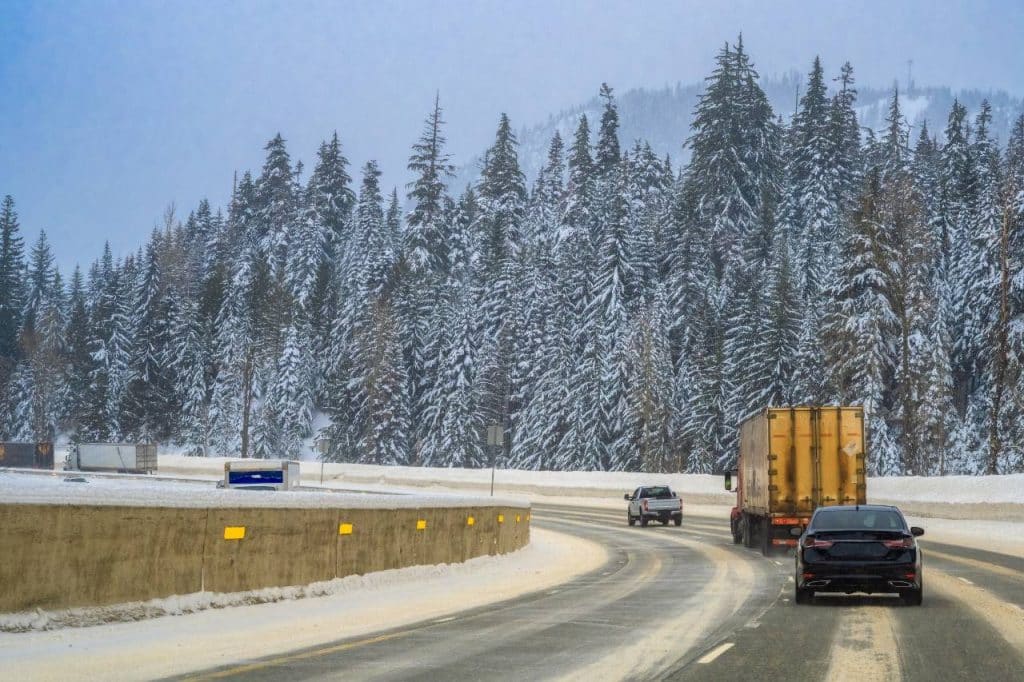
Snoqualmie Pass sits in the heart of the Cascade Mountains and carries thousands of daily travelers along Interstate 90. The location combines elevation, sharp curves, and a constant mix of local drivers, tourists, truckers, and long-haul commuters.
Weather changes quickly at this altitude, and road conditions can shift from wet pavement to full ice coverage in a short period of time. According to the Washington State Department of Transportation, Snoqualmie Pass can receive more than 450 inches of snowfall in a typical winter. This creates long stretches of slick roadway and frequent storm-related closures.
These conditions contribute to collisions that are often more complex than accidents occurring in urban areas. These include:
- Multi-vehicle involvement
- Commercial truck responsibility
- Poor visibility affecting witness accuracy
- Claims involving out-of-area or out-of-state drivers
- Disputes about how the weather contributed to fault
- Possible government liability if road design or maintenance played a role
These challenges are why many Snoqualmie Pass victims choose to work with a car accident lawyer who understands mountain crash claims.
Common Causes of Accidents on Snoqualmie Pass
Winter is the most dangerous period on Snoqualmie Pass. But year-round, several risk factors stand out.
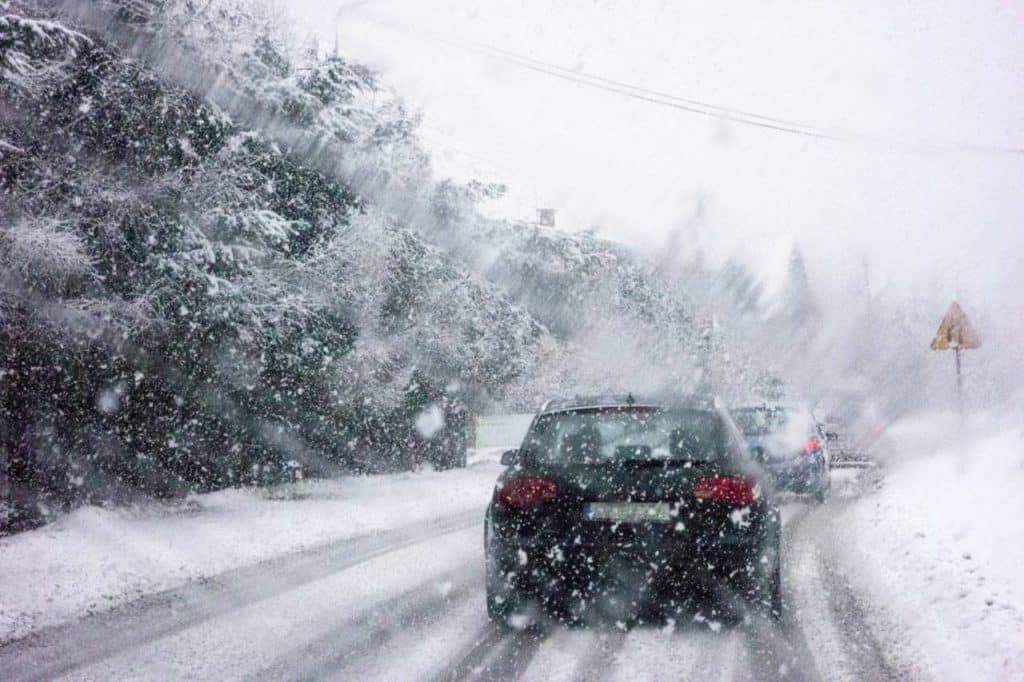
Snow, Ice, and Black Ice
Heavy snowfall means plows work continuously to keep lanes clear, yet snow often accumulates faster than crews can remove it. Black ice is also common in shaded areas or after sunset. These conditions make braking and steering difficult, leading to loss of control.
Low Visibility
Fog often moves across the Pass without warning. Sudden white-out blizzards and blowing snow can reduce sightlines to only a few car lengths, limiting reaction time and increasing the chances of rear-end collisions or chain-reaction crashes.
Heavy Truck Traffic and Speeding
With commercial trucks accounting for a large share of traffic, even minor errors by car or truck drivers can lead to pileups. Speeding on slippery grades and in poor weather remains a leading cause of accidents here, as drivers overestimate their control or ignore changing conditions.
Slide-Offs and Dangerous Curves
The steepest grades and tightest turns on I-90 demand constant focus. Weather-related slide-offs, missed curves, and vehicles drifting over centerlines result in single-car crashes or dangerous multi-vehicle incidents.
Typical Injuries Associated with Snoqualmie Pass Crashes
Mountain collisions often involve high speeds, uneven terrain, and multi-vehicle collisions. Because of these factors, injuries may be more severe than those seen in lower-speed urban collisions.
Common crash-related injuries include:
- Whiplash and soft tissue strain
- Broken or fractured bones
- Spinal cord injuries
- Traumatic brain injuries
- Internal organ damage
- Knee, wrist, and shoulder trauma
- Psychological trauma from violent impacts
Some injuries may seem minor at first, but pain and mobility issues can worsen in the days following a collision. Receiving prompt medical treatment supports healing and creates documentation that may help strengthen a future car accident claim.
Steps Drivers Should Take After an Accident
Collisions on Snoqualmie Pass can leave drivers shaken and uncertain about what to do next. While every situation is unique, there are several recommended steps that may help protect both physical health and legal options.
1. Prioritize Safety

If possible, move vehicles out of traffic and activate hazard lights. Snoqualmie Pass lanes are narrow in many areas, and stalled vehicles face increased risk of being hit by approaching traffic.
2. Call 911
Law enforcement and medical responders should be notified right away. Official accident reports become important evidence when insurance disputes arise, and early medical evaluations help document injuries.
3. Collect Information and Photos
Weather, road surface, tire tracks, and surrounding visibility conditions change quickly in mountain environments. Capturing photographs of vehicle damage, skid marks, guardrails, and roadway ice may help with later accident reconstruction.
4. Speak to Witnesses

Tourists, commuters, and truck drivers frequently travel the Pass. Witness statements can be valuable when the crash involved multiple vehicles or when fault is unclear.
5. Seek Medical Care
Even if pain feels manageable, internal injuries and concussions may not appear right away. Medical records also provide clear evidence of physical harm.
6. Contact a Lawyer Before Speaking to Insurance Companies
Insurance adjusters may request recorded statements or encourage quick settlements. Early conversations without guidance can negatively affect claim outcomes. A car accident lawyer may speak on a victim’s behalf and handle these communications.
How a Car Accident Injury Lawyer Helps Victims
After a serious crash, focusing on healing is often the priority. Legal matters, however, continue moving forward. A car accident lawyer can assist by:
- Conducting a thorough investigation: A car accident lawyer works to gather police reports, traffic camera footage, weather data, and expert insights right from the start.
- Handling insurance negotiations: A skilled law firm will communicate with all involved insurance carriers, push back against early low-ball offers, and look out for the client’s best interests.
- Gathering and preserving evidence: Quick action helps preserve evidence that might otherwise be lost to weather or subsequent roadwork.
- Assessing all damages: Car accident attorneys do not just look at vehicle repairs and hospital bills. A complete claim includes pain, long-term effects, lost wages, and the impact on quality of life.
An experienced attorney also works to prevent low settlement offers that do not reflect long-term financial loss, medical care requirements, or emotional harm.
Washington State Laws That May Impact Car Accident Claims
People involved in Snoqualmie Pass accidents should be aware of several laws that may influence the outcome of a car accident case in Washington:
Comparative Negligence
Washington uses a pure comparative fault system. This means compensation may be reduced if the injured party is found partially responsible for the crash.
Statute of Limitations
In most personal injury cases, victims have 3 years from the date of the accident to file a lawsuit. Waiting too long may block legal recovery in Washington.
Insurance Requirements
Washington requires drivers to carry minimum liability insurance. However, many Snoqualmie Pass accidents involve drivers from outside the region or commercial vehicles with different coverage arrangements.
Navigating these rules without legal support can be difficult, especially when liability disputes arise. An experienced car accident lawyer understands these laws and how they apply to mountain pass cases.
Why Choose Roberts Jones Law for Snoqualmie Pass Accidents

Roberts Jones Law brings extensive experience handling winter-related and mountain-pass crash cases throughout Washington. The firm understands the science behind black ice, collision physics, road engineering, and commercial trucking operations.
The Roberts Jones Law team:
- Investigate Snoqualmie Pass crashes thoroughly
- Communicates clearly with clients throughout the process
- Uses strong negotiation strategies
- Builds evidence-driven claims
- Has proven results in serious injury cases
- Offers compassionate support to victims and families
By working closely with clients and keeping them informed, the firm strives to reduce stress while building strong legal cases backed by evidence.
Closing Takeaway
Accidents on Snoqualmie Pass are frightening, painful, and often complicated. Between winter weather, commercial truck traffic, dangerous curves, and steep terrain, victims face unique challenges that can impact healing and legal recovery. No one should navigate these issues alone. Help is available.
Injured in a Snoqualmie Pass accident? Contact Roberts Jones Law for a free consultation with an experienced Snoqualmie Pass car accident lawyer today.