
The accident isn’t what you were thinking about when you opened the Uber app. You were thinking about getting home, getting to the airport, or getting on with your day. Now you’re trying to figure out who is going to pay the medical bills, and the answer is more complicated than you ever expected.
According to Insurify, Uber’s reported fatality rate climbed from 0.62 to 0.87 per 100 million miles in the most recent reporting period, and rideshare drivers face significantly higher accident exposure than the general driving population.
As rideshare usage grows in Issaquah and the greater Seattle area, the number of accidents involving these drivers increases. A rideshare accident is not the same as a regular car accident, and treating it like one is how victims end up undercompensated.
Here’s what you’ll learn:
- How the three phases of rideshare coverage determine which insurance company pays after an accident
- Why rideshare accident claims involve multiple parties and shifting liability
- The specific steps to take after a rideshare accident in Issaquah
- What an experienced personal injury attorney brings to a rideshare accident case
The Rise of Ride-Sharing in Issaquah
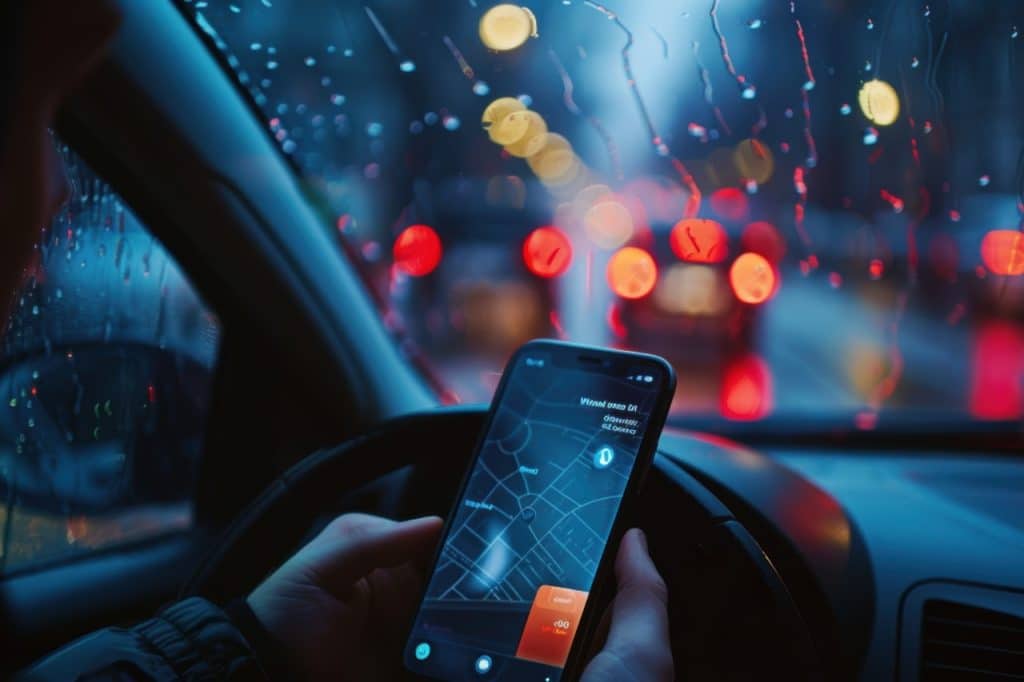
Uber and Lyft have changed how Issaquah residents get around. The greater Seattle area sees millions of rideshare trips every month, and Issaquah’s share keeps climbing as commuters skip parking hassles for the convenience of an app on their phone.
That growth has changed what local accidents look like. Rideshare vehicles share the road with other motorists in higher numbers, and the gap between a traditional car accident and a rideshare accident now shows up regularly in rideshare accident cases across King County.
The Three Phases of Rideshare Coverage
Insurance coverage in a rideshare accident depends entirely on what the driver’s status was at the moment of the crash. Uber and Lyft both define three distinct phases, and the coverage limits change dramatically across each one.
Rideshare Insurance Coverage Phases
| Phase | Driver’s Status | Coverage Source | Liability Limits |
| Phase 1 | App off | Personal auto insurance | Personal policy limits |
| Phase 2 | App on, waiting for ride request | Limited rideshare company coverage | $50,000 per person / $100,000 per accident / $30,000 property |
| Phase 3 | Ride accepted or passenger in the vehicle | Full commercial rideshare coverage | $1 million combined single-limit liability |
1. Phase 1: App Off
When the rideshare app is off, the driver is treated like any other private motorist. Only the driver’s personal auto insurance applies, and the rideshare company is not responsible for the accident.
2. Phase 2: App On, Waiting for a Ride Request
Once the driver logs into the app and waits for a ride request, limited rideshare company coverage kicks in. The protection is narrower than full commercial coverage, and personal insurance often refuses to step in during this period.
3. Phase 3: Ride Accepted or Passenger in Vehicle
Phase 3 covers the period when the driver is en route to a passenger or actively transporting one. The rideshare company’s insurance coverage increases to $1 million in liability, making this the phase with the strongest financial protection for victims.
Determining which phase was active at the time of the accident is very important, and rideshare companies sometimes resist disclosing app data without legal pressure.
Unique Challenges in Rideshare Accident Claims

Rideshare accident claims are layered in ways traditional car accident cases are not. Multiple insurance policies often apply; the driver’s status at the moment of the crash drives liability, and the rideshare company has every incentive to push coverage onto someone else’s policy.
The classification battle adds another layer. Uber and Lyft drivers are independent contractors, which means insurance companies use that gap to delay, deny, or undervalue claims while time-sensitive evidence inside the rideshare app disappears.
Common Types of Rideshare Accidents and Injuries
Rideshare accidents in Issaquah follow a few common patterns. Passenger injuries during rides, collisions with other drivers, pedestrian accidents during pickup and drop-off, multi-vehicle crashes, and hit-and-run situations involving rideshare vehicles all show up regularly in rideshare accident cases.
The injuries are often serious. Whiplash, traumatic brain injuries, and fractures are common, and medical costs add up fast. Compensation in a successful claim will cover medical expenses, lost wages, property damage, rehabilitation, and pain and suffering, with permanent disability factored in for severe cases.
Insurance Coverage Complexities in Washington State
Washington State has some of the strictest rideshare insurance requirements in the country. According to Washington State law, rideshare companies must maintain a $1 million combined single-limit liability policy when a driver is en route to a passenger or actively transporting one.
Coverage gaps still appear during Phase 2, when limited rideshare company coverage applies, but the driver’s personal auto insurance often refuses to step in. Washington’s comparative negligence laws mean any percentage of fault assigned to the victim reduces the final award proportionally.
Steps to Take After a Rideshare Accident
The minutes and hours after a rideshare accident shape every part of your eventual claim. Quick action protects your health, preserves evidence, and keeps insurance companies from controlling the narrative.
1. Call 911 and Seek Medical Attention
Get emergency responders to the accident scene immediately, and always seek medical attention even if injuries seem minor. Adrenaline masks symptoms after a car accident, and a delayed diagnosis weakens both your recovery and your eventual rideshare accident claim.

2. Document the Driver’s Status in the Rideshare App
Take screenshots of the rideshare app showing the active trip, the driver’s information, and the timestamp. This evidence proves which phase of coverage was in effect at the time of the accident, and rideshare app data disappears quickly once the trip ends.
3. Photograph the Scene, Vehicles, and Injuries
Capture the accident scene from multiple angles, including all involved drivers’ vehicles, license plates, visible injuries, and any road conditions that contributed to the accident. Strong visual documentation provides evidence that holds up against an insurance company’s attempt to dispute liability later.
4. Get Witness Information and the Crash Report
Collect names and phone numbers from witnesses before they leave the accident scene. Request the police report and crash report once they are filed, since both become foundation documents in any rideshare accident case.
5. Be Careful With Insurance Adjusters
Insurance adjusters from the rideshare company or the driver’s personal insurer will call quickly and record everything you say. Stick to basic facts, never guess or speculate, and never give a recorded statement before talking with a personal injury attorney who handles rideshare accident cases.
Why Traditional Car Accident Approaches Don’t Work
A regular car accident has clear sides: you, the other driver, and two insurance companies. A rideshare accident scrambles that picture entirely, with multiple parties pointing fingers and the rideshare company hiding behind independent contractor classifications.
Sophisticated insurance defense tactics make the difference. Corporate legal teams protect Uber and Lyft from full liability, app data sits behind legal walls that claimants can’t access, and traditional car accident strategies that worked a decade ago fall short of what rideshare accident cases now demand.
What to Look for in a Car Accident Attorney for Rideshare Cases
The right attorney makes the difference between a claim that gets quietly minimized and one that secures fair compensation. Car accident experience isn’t enough. Rideshare claims demand specialized knowledge of app data, multi-policy coverage, and the tactics rideshare companies use to restructure liability.
When evaluating an experienced personal injury lawyer for a rideshare accident, focus on these qualifications:
- Specialized rideshare experience with Uber and Lyft accident claims
- Proven access to app data and electronic records
- Multi-policy insurance fluency across personal and rideshare coverage
- Strong record of fair compensation in rideshare accident cases
Hiring a knowledgeable personal injury lawyer protects your rights from the start. Early legal representation guides communication with multiple insurers, prevents claim-damaging statements, gathers evidence, and tracks Washington State filing time limits so your claim doesn’t fall apart on a technicality.
How Roberts Jones Law Helps Rideshare Accident Victims
Have you been injured in a rideshare accident in Issaquah? Get the specialized legal help you deserve. Rideshare cases turn on details that traditional car accident attorneys often miss, and the right legal team makes all the difference for your recovery.
Our experienced team handles the insurance complexities, the app data, and the multi-policy coverage questions so you have time to focus on healing. We’ll review your case, explain your rights, and fight for the full compensation you deserve. Call us now to get started.Your next step will move your case forward. Contact Roberts Jones Law today for a free consultation with an experienced car accident attorney who understands rideshare injury claims in Washington.