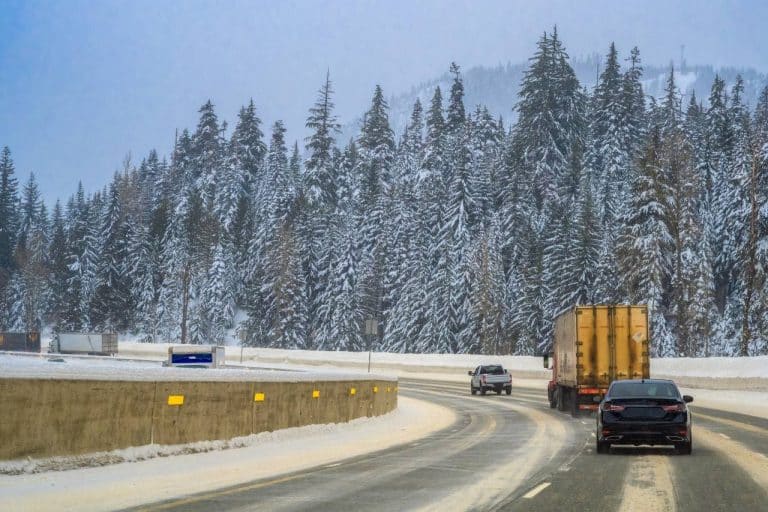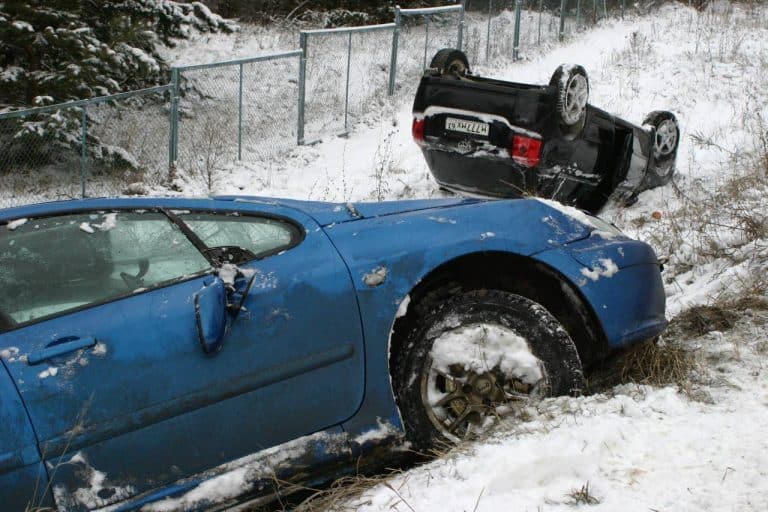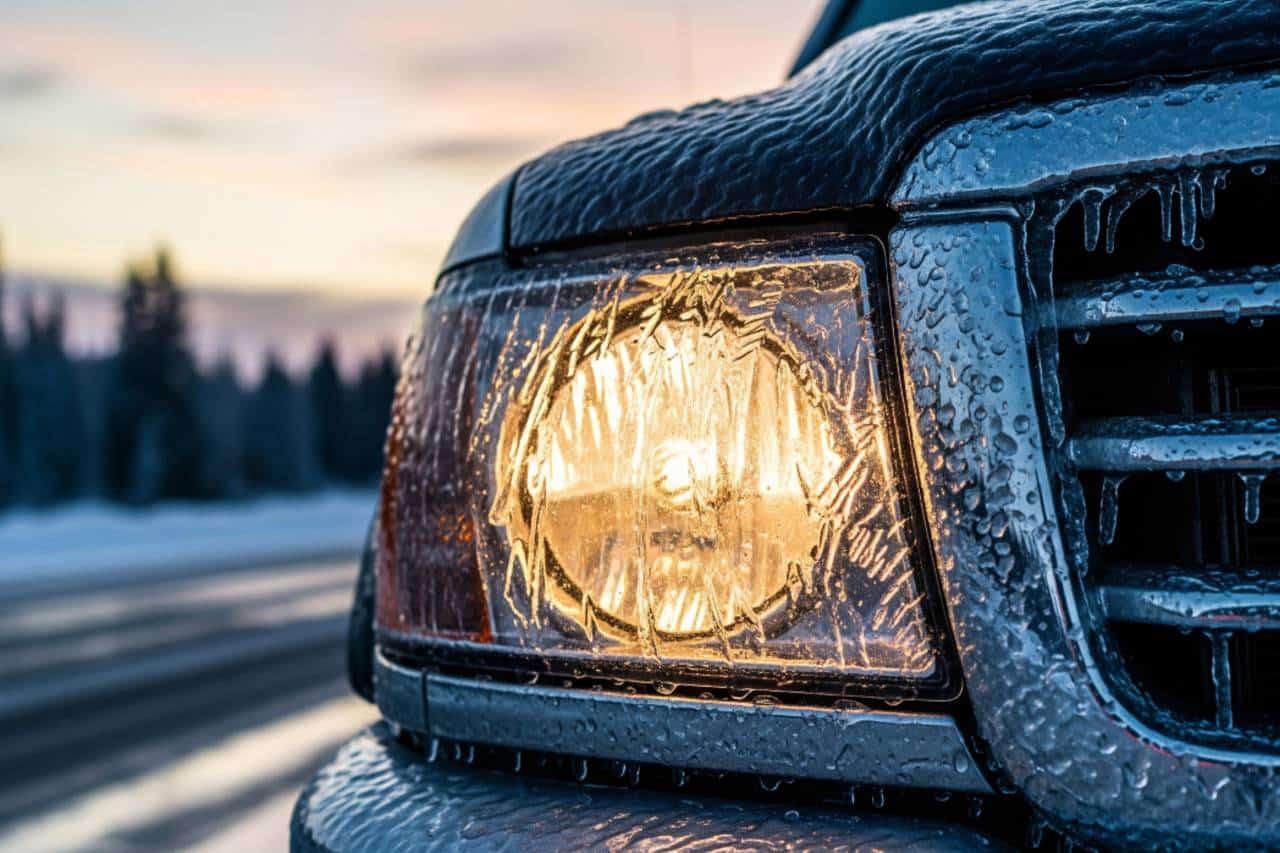
As winter rolls in, so does the chance of winter accidents. What many drivers fear the most isn’t snow or wind, but black ice. Today, we are going to share with you what black ice is, how to avoid it, and what legal steps to take if you are involved in an accident caused by hazardous winter road conditions.
What is Black Ice?

Black ice is a thin, transparent layer of ice that forms on a surface, like a road or walkway. It occurs when rain or melting snow refreezes. For example, say it snows overnight. The following morning, the snow may melt under the warm winter sun. However, that snowmelt could refreeze on the road if temperatures drop back below freezing.
This natural occurrence creates a glassy sheet of ice across the road. The dark pavement below is what drivers see, earning it the name “Black Ice” because they cannot see the hazard.
How Black Ice Contributes to Accidents
Black ice is a common attribute of winter driving accidents. Due to its nearly invisible nature, drivers are typically unable to see the hazard until it’s too late.
When a driver encounters black ice, there is an instant loss of traction, as the slick surface offers no grip for tires. This traction loss means drivers will lose the ability to steer effectively and may be unable to slow down or stop. This can cause the car to lose control and slide.
Unfortunately, this can lead to lane drifting, spin-outs, rear-end collisions, and multi-car pileups if the driver cannot regain control of the vehicle.
Preventative Driving Tips to Avoid Black Ice
While we can’t always avoid roads that may have black ice, there are steps we can take to prevent accidents.
1. Know When and Where to Be Cautious
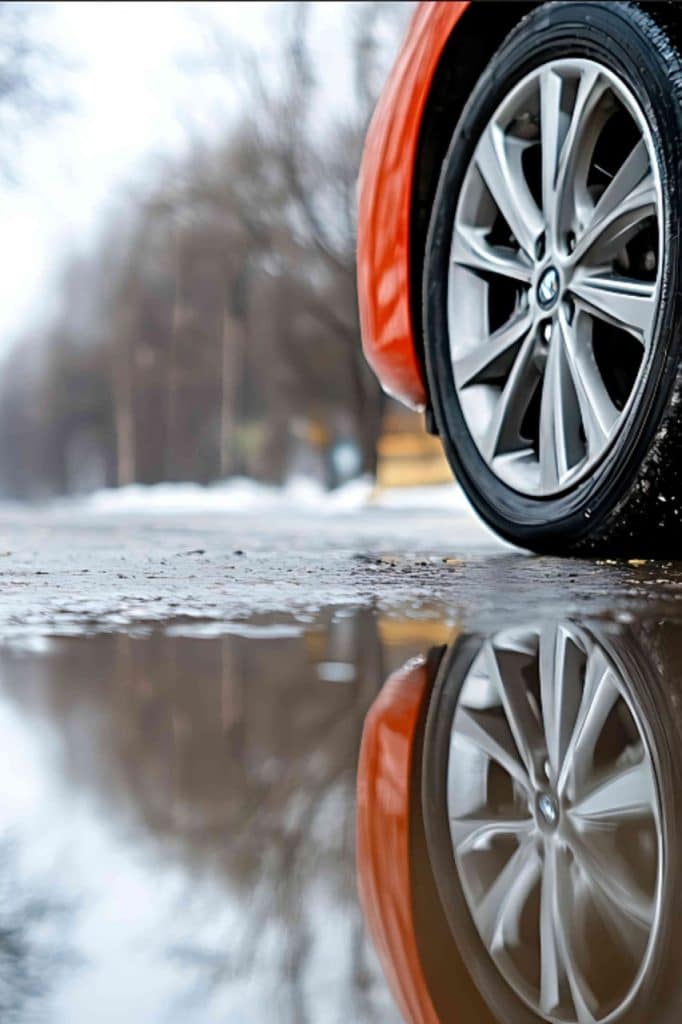
The first step you can take is to be aware when and where black ice may occur. Black ice forms when temperatures are near or below freezing, especially when moisture on the road from rain, melting snow, or even fog is present.
While black ice can occur on any road, it is more likely to form and persist on roadways shaded by trees, bridges, forested areas, or overpasses.
By being aware of local weather conditions, especially sudden changes and temperature drops, you can stay on guard for black ice as you drive. We suggest that during these times, you use winter tires and keep your vehicle well-maintained.
2. Look for Signs of Black Ice
When black ice is likely, keeping an eye out for signs of it is crucial. Roadways with black ice may appear as glossy or wet-looking patches on the pavement.
Additionally, keep an eye on other drivers. Drivers who hit black ice before you may skid or experience jerking in their driving. By being aware of what’s going on in front of you, you may be able to act preemptively before it’s your turn to hit the ice.
3. Practice Defensive Driving
When there are signs of black ice, practicing defensive driving before you hit the ice can positively affect the outcome. If you think you are in an area where you might hit black ice, or if you can see it coming, we suggest you do the following. First, slow down, especially on bridges, hills, around corners, and in shaded areas. Second, increase your following distance to give yourself and other drivers more time to brake.
4. Be Ready for When It Happens
While you may not be able to avoid a patch of black ice, you can take a defensive driving position. When you feel your car shift onto black ice (your steering wheel will become less responsive, and you may notice a sliding feel), do the following.
- Keep the wheel steady. Avoid sudden turns or jerky movements.
- Ease of the gas. Gradually lift your foot from the accelerator to reduce your speed. Try to avoid using your brakes.
- Break slowly. If you must brake, apply gentle, steady pressure on the pedal to avoid locking the wheels.
- Steer gently. If your vehicle starts to skid, gently steer in the direction you want the car to go. Avoid sudden turns of the wheel.
- Keep alert. If you hit black ice, the cars around you will too. Try to keep a larger distance from other vehicles in these conditions to avoid accidents.
Legal Complexities of Black Ice Accidents
Washington State drivers, particularly those who commute or travel frequently during winter, should understand that they will likely be at fault if they cause an auto accident, even if it occurs during winter weather conditions or with black ice.
In Washington State, drivers have a duty to drive safely, regardless of weather conditions. It is their responsibility to prepare the vehicle, modify their driving, and know how to handle adverse situations.
However, there are a few conditions where the fault may be placed elsewhere. Washington State follows a comparative negligence system, meaning that compensation can be reduced if you’re found partially at fault for the accident. In this case, you may be able to share fault with another driver if you are both partially responsible for an accident.
Alternatively, if a roadway was not appropriately maintained, the municipality or organization may be held liable for the accident.
What to Do After an Accident on Black Ice
Should an accident occur on black ice, you want to follow the same procedures as you would for any other auto accident.
First, call 911. Even if no injuries are presented, having police document the scene and being examined by medical personnel is critical for a case later.
Second, document everything. If possible and safe to do so, take photos of the accident scene, vehicle damage, visible injuries, and relevant road conditions. Also, collect witnesses’ contact information and obtain a copy of the police report.
Third, get a medical follow-up. After the accident has been processed, seek a medical follow-up with your primary physician. Some injuries aren’t immediately apparent, so obtaining a proper medical evaluation creates documentation of your injuries and ensures you receive the necessary treatment and compensation for your injuries.
Fourth, notify your insurance company. Report the accident, but only provide the basic facts. Don’t offer detailed statements about fault or injury severity until you’ve spoken with your auto accident attorney.
Fifth, call your auto accident attorney. Getting assistance on your case right away streamlines the process. Your car accident lawyer will help you in investigating accident causes, working with insurance companies, and pursuing fair compensation for injuries or damages.
Why Choose Roberts Jones Law as Your Car Accident Lawyer
While drivers can’t always avoid black ice, they can take precautions, and if an accident occurs, having an experienced auto accident attorney ensures they’re treated fairly in the claims process.
At Robert Jones Law, we have extensive experience with winter driving accident cases and local knowledge of Washington roads and weather conditions. We are dedicated to protecting our clients’ rights and are here to guide you through any legal complexities that arise from winter driving incidents.
Injured in a black ice accident? Contact Roberts Jones Law today for a free consultation and let our experienced team help you navigate your legal claim with confidence.